
Sertraline to escitalopram
2026-02-26Are you looking for a change? Transition from sertraline to escitalopram for a smoother journey towards mental wellness. Our expert team is here to guide you every step of the way.
Overview of Sertraline
Sertraline (Zoloft) is a commonly prescribed antidepressant medication that belongs to the selective serotonin reuptake inhibitor (SSRI) class of drugs. It is used to treat a variety of mental health conditions, including depression, anxiety disorders, obsessive-compulsive disorder (OCD), and post-traumatic stress disorder (PTSD).
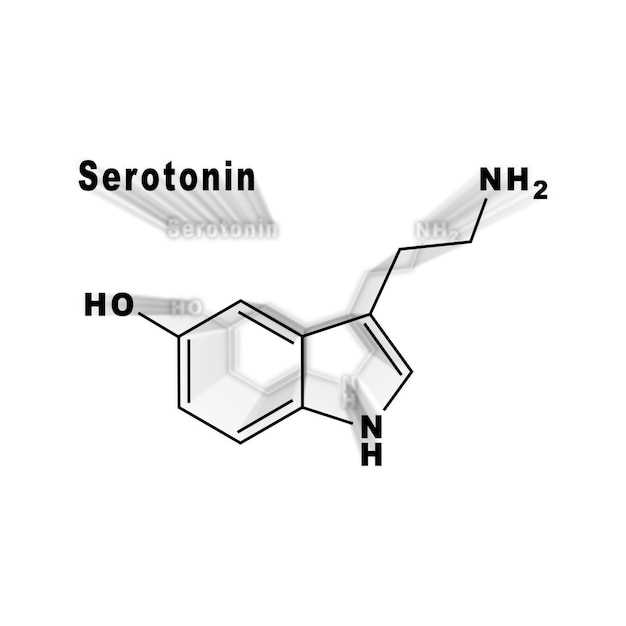
Sertraline works by increasing the levels of serotonin, a neurotransmitter in the brain that helps regulate mood, sleep, appetite, and other functions. By restoring the balance of serotonin, sertraline can help improve symptoms of depression and anxiety.
How Sertraline Works
- Sertraline inhibits the reuptake of serotonin, allowing more of the neurotransmitter to be available in the brain.
- Increased levels of serotonin can help regulate mood and reduce symptoms of depression and anxiety.
- It may take several weeks of treatment before the full effects of sertraline are felt.
Benefits of Switching
Switching from Sertraline to Escitalopram can offer several benefits to individuals struggling with depression or anxiety. These benefits may include:
- Improved symptom management: Escitalopram may be more effective in relieving depressive and anxious symptoms compared to Sertraline.
- Reduced side effects: Some individuals may experience fewer side effects when switching to Escitalopram.
- Enhanced mood stabilization: Escitalopram may help stabilize mood and improve overall emotional well-being.
- Increased treatment options: Switching medications can provide additional treatment options for individuals who do not respond well to Sertraline.
It is important to consult with a healthcare provider before making any changes to medication regimens to ensure the switch is done safely and effectively.
Considerations Before Switching to Escitalopram
Before making the switch from Sertraline to Escitalopram, it is essential to consider several factors to ensure a smooth transition:
- Consult with your healthcare provider: Talk to your doctor or psychiatrist before changing medications to discuss your individual needs and assess if Escitalopram is the right choice for you.
- Understand potential side effects: Be aware of the possible side effects associated with Escitalopram and discuss any concerns with your healthcare provider.
- Monitor your symptoms: Keep track of how you are feeling on Sertraline and be prepared to discuss any changes or improvements with your healthcare provider.
- Follow a gradual transition plan: Switching from one antidepressant to another should be done gradually under the supervision of your healthcare provider to minimize withdrawal symptoms and ensure the effectiveness of the new medication.
- Stay informed: Educate yourself about Escitalopram, including how it works, its potential benefits, and how it may differ from Sertraline to make an informed decision about switching medications.
Considerations Before Switching
Before transitioning from Sertraline to Escitalopram, it's crucial to consider a few important factors:
1. Consult your healthcare provider: Always consult with your healthcare provider before making any changes to your medication regimen. They can provide guidance and ensure a smooth transition.
2. Understanding the reasons for switching: Make sure you understand why you are switching from Sertraline to Escitalopram. Discuss your concerns and goals with your healthcare provider.
3. Potential side effects: Be aware of the potential side effects of Escitalopram and any differences from Sertraline. Your healthcare provider can provide information on what to expect.
4. Dosage adjustment: Your healthcare provider will determine the appropriate dosage of Escitalopram based on your individual needs. Follow their recommendations closely.
5. Monitoring and follow-up: Regularly monitor your symptoms and inform your healthcare provider of any changes or concerns during the transitioning process. Follow up appointments are essential for guidance and adjustments.
Transitioning Process
Switching from Sertraline to Escitalopram requires a careful and gradual process to minimize potential side effects and ensure a smooth transition. Here are some steps to follow:
1. Consult Your Healthcare Provider
Before making any changes to your medication, it is crucial to consult your healthcare provider. They can provide guidance on the switching process and monitor your progress throughout.
2. Gradual Dose Reduction
Your doctor may recommend tapering off Sertraline gradually while simultaneously introducing Escitalopram to avoid withdrawal symptoms and ensure the new medication is effective.
- Follow the dosing schedule provided by your healthcare provider.
- Do not abruptly stop taking Sertraline without medical supervision.
3. Monitor Your Symptoms
During the transition period, it is essential to monitor how you feel and any changes in your mood or symptoms. Keep a journal and communicate any concerns with your healthcare provider.
By following these steps and working closely with your healthcare provider, you can safely transition from Sertraline to Escitalopram and optimize the benefits of the new medication.
Consulting a Healthcare Provider
Before making any changes to your medication regimen, it is crucial to consult with a healthcare provider, such as a psychiatrist or a primary care physician. They can help assess your individual situation, provide guidance on the switching process, and monitor your progress after transitioning from sertraline to escitalopram.
During the consultation, make sure to provide detailed information about your current symptoms, any side effects experienced with sertraline, and your medical history. Your healthcare provider may also discuss potential risks and benefits associated with the switch and address any concerns you may have.